


I N F A S H I O N N O W
What we wear is important, on a fundamental level, for self-empowerment, self-care and well-being. Our personal style and choices programme our cognitive state, regulate our nervous system and signal our values.
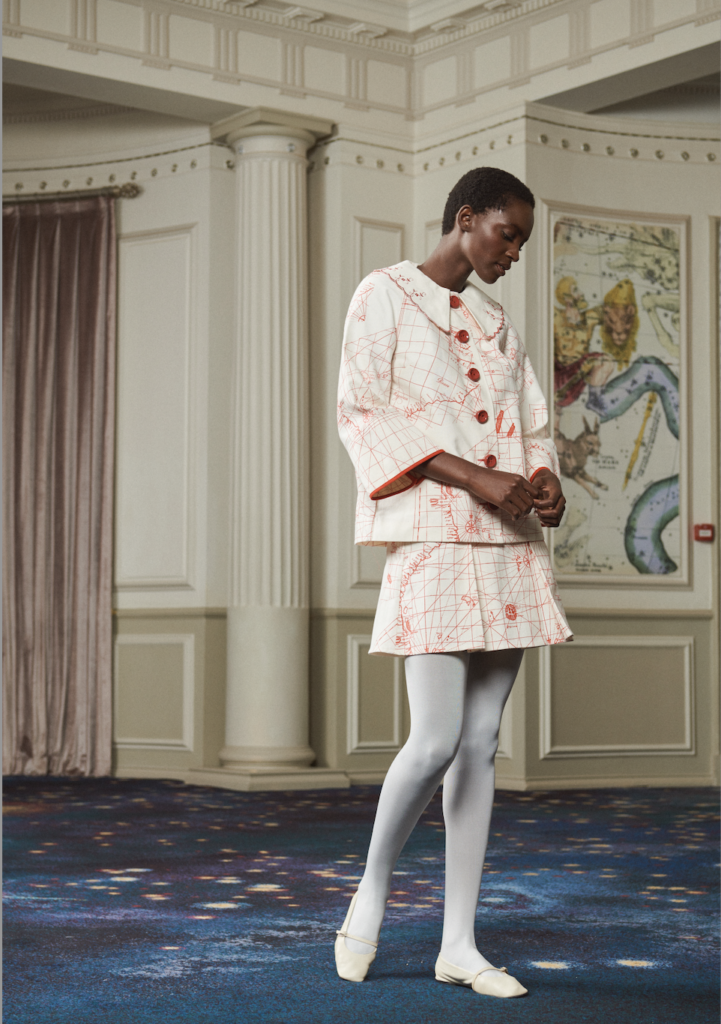
Knowing why and what we invest in from gems to jeans defines our identity and our place in the world. It’s both symbolic and has cultural power; it needs to serve us and can heal us. It also carries consequence.
African fashion is driving global transformation and significant change through thoughtful and considered design. Transcending outdated notions of what Africa has to offer, continental fashion is leading with inherently rich, resourceful, colourful energy together with diverse cultural heritage and valued traditions. Not to mention innovation, regeneration and respect for nature. We are a generational story in the midst of creation, with a profound future, and each of us has an important role to nurture it and protect its intellectual property (IP).
Preserving a well and conscientious fashion culture is a societal and business imperative. Buying and supporting local design, while understanding the manufacturing process is necessary. We are at a point of choice – the consequence is clothes.
As we integrate well-being as a strategic priority into our personal and professional lives, the need for support has never been more apparent or, more critical as we move beyond existing narratives of how we heal.
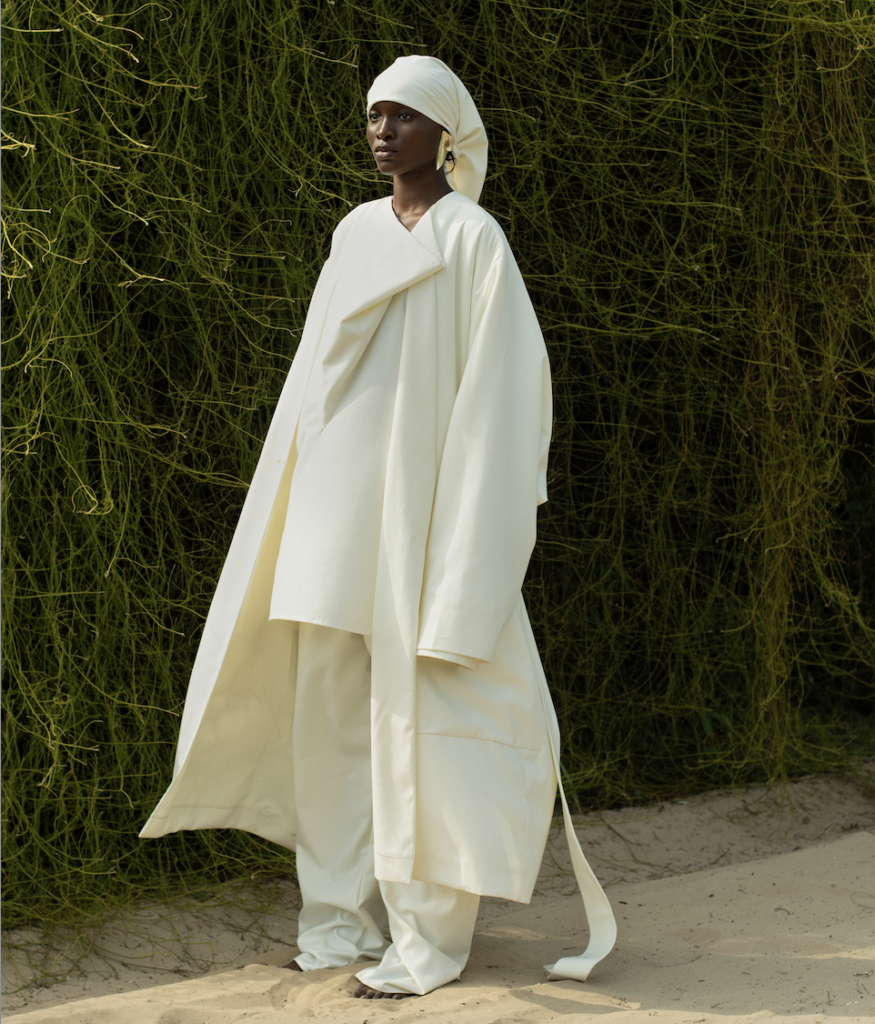
To work well, we need to be and live well – it takes both personal and collective responsibility. Our energy becomes the ultimate investment, and our economic security depends on our overall well-being and co-existence with nature and our environments. Finding the balance to live, and work well is possibly the elixir of life.
In a culture overwhelmed by pace, excess and exhaustion, fashion is actively responding through sensory design, creating for nervous system poise. Emotional regulation is becoming a dressing room ritual, as is conscientious wardrobe checks.
When what we wear becomes how we heal, redesigning for cultural and creative well-being is the edge.
There are designers actively in tune with buyer needs to improve health, from sourcing biomaterials and safer non-toxic textiles, to exploring textures and colours for emotional resonance, and calm. This is seen in Ami Doshi Shah’s new collection of conceptual pieces acting as healing tools, and the elevated classics filtered through the lens of a better South Africa in Uniform’s modular, trans-seasonal pieces.
There are those creating and improving ecosystems – brands like Sealand are actively investing in recycling technologies and initiatives, from circular economy solutions and nature positive waste reduction strategies, to Cape Cobra designing for longevity – actively investing in the long-term care and service of their products, with the view of being the vintage products of the future.
And then there are those who understand the real price of local production, such as Viviers, Maxhosa and Tshepo, fostering inherited techniques and transforming education and skills development for the next generation to pass on imperative artistry for dignified work that enables the continuity of fashion on the continent.
So where is the flair?
Well, it’s in the distinctive experience and style of Thebe Magugu, or Sindiso Khumalo, or Yoshita1967 by Anil Pardia. Their thought-provoking silhouettes are elegantly activist, and yet deeply transformative in their messaging. Their collections and collaborations bring a new level of aptitude, expression and confidence to the zeitgeist that shows us a new way to be well.
That flair is also in creating interest and accessibility to fashion with smart collaborations between renowned designers and major retailers. Examples are Gavin Rajah collaborating with household brand Pick ’n Pay Clothing, and ArtClub & Friends with Mr Price, positioning possibilities to a broader audience and introducing elevated design to basic apparel, promoting a sense of upliftment.
But there is also a reality check to be had while African fashion is forging ahead…
There is a significant shortage of specialised skills in the formal fashion sector. While the industry requires hundreds of thousands of jobs to grow across the continent, it also needs better insights: accurate data and shared systems to make informed decisions about how to solve the problem with investment.
Fashion’s contribution to Africa’s GDP is significant, in some cases second to agriculture, yet the African continent does not have sufficient government support in most countries, nor dedicated educational institutions teaching pattern making, textiles, sewing, embellishment, weaving, spinning, and quality control.
The industry requires the skills, yet the system can’t create them fast enough despite the growing interest, creativity and markets across the continent.
The awareness and preservation of roles in fashion throughout the value chain and the protection of craftsmanship are essential to ensure sustainability, particularly in South Africa, where the local fashion industry is highly compromised. Sabotaged by unregulated imports and tax loopholes, the industry is losing existing jobs and revenue exacerbated by ignorant shoppers buying from low-cost on-line retailers, namely Temu and Shein.
The well-being of shoppers is itself raising concerns as many are becoming addicts, gambling fashion futures away as they shop like there is no tomorrow.
So, how do we shift these issues to support African fashion from the grassroots up? How do we expose the importance of fashion’s role in our economy and, therefore, the responsibility of our choices to be, live and work well? How do we protect and accelerate what’s already being built?
The importance is in sharing the significant truths about fashion’s cultural value and economic impact, as well as the broader environmental, social and psychological effects that result from the holistic design, production, consumption and life-cycle of garments.
It’s in framing Africa not as a resource to be extracted from, but as an essential authority and credible collaborator from the Global South. The movement is palpable. Governments and shoppers alike need to get to the catwalk.
Fashion is a voice and an influential leader. It is a witness to the occasion of our lives and times.
The consequence of our choices is in what we wear. How well we wear it, time will only tell.
So wear it well. Wear it with flair. Wear it with care.
Let that be the silhouette.
READ LATEST
the





BEST THE LIBRARY
of


+ Show / Hide Comments
Share to: